What you bring shapes how you experience the trail.
This page is designed to help you prepare simply and intentionally for an Eremos experience. The goal is not to overpack or anticipate every possibility, but to bring what is necessary to stay comfortable, safe, and present.
Gear needs vary depending on the length of the hike. The lists below are recommendations based on years of hiking and guiding others in the wilderness. Whether you’re preparing for your first guided hike or a multi-day backpacking trip, these suggestions will help you arrive ready to enjoy the experience.
Each section builds on the previous one, so you can quickly see what changes as the journey extends.
Half-Day Hikes
Bring what helps you stay comfortable, prepared, and present on the trail.
Half-Day hikes are short in distance but still require basic preparation. Most people tend to overpack water and underestimate energy needs, so a little clarity helps before you arrive.
ESSENTIALS
Water (about 1 liter is typically enough)
Most Half-Day hikes do not require large amounts of water. One standard bottle or hydration system is usually sufficient. Bringing significantly more often adds unnecessary weight.
Light snacks (recommended)
A small, energy-dense snack is strongly recommended. Even short hikes use more energy than most people expect, especially on uneven terrain.
Comfortable, weather-appropriate clothing
Dress for the conditions. Breathable layers are often best, with a light outer layer if weather is variable.
Sturdy walking shoes or hiking boots
Footwear with grip and support is important for uneven trail conditions.
RECOMMENDED
Small day pack or lightweight backpack
Helpful for carrying water, snacks, and personal items, though not strictly required.
Hat and sun protection
A hat, sunglasses, or other sun protection is strongly encouraged depending on weather and exposure.
Sunscreen
Especially for exposed or open trail sections.
Trekking poles (if you normally use them)
Helpful for stability on uneven terrain but optional.
Journal or notebook
Optional, but helpful if you want to reflect during or after the hike.
A SIMPLE NOTE
Most people overpack water and underpack food.
Aim for simplicity, not excess.
Bring what supports you staying comfortable and attentive, not what adds unnecessary weight or complexity.
The goal is not to be prepared for every possible scenario, but to be free enough to walk, notice, and engage with the experience.
SAFETY NOTE
A full first aid kit is carried by the guide on every Eremos hike.
No personal medical kit is required, though you are always welcome to bring any personal items you feel you may need.
Full-Day Hikes
Bring what helps you stay comfortable, prepared, and present on the trail.
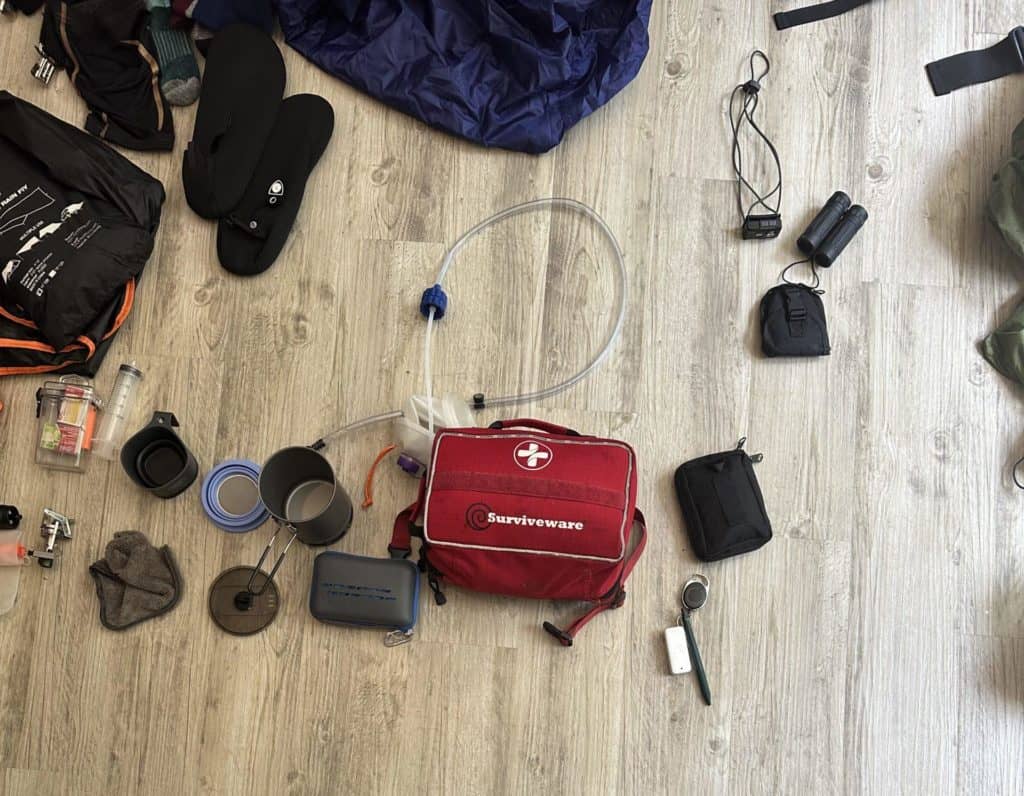
Full-Day hikes extend the time on the trail and require a bit more preparation than Half-Day experiences. The goal is still simplicity, not excess, but with enough support for a longer day outdoors.
INCLUDED FROM HALF-DAY LIST
All Half-Day recommendations still apply:
- Clothing guidance
- Footwear guidance
- Hat, sunscreen, trekking poles (if used)
- Journal (optional)
ESSENTIALS
Water (1–2 liters recommended; 1 liter is often sufficient)
Most participants do well with about 1 liter of water, though 2 liters may be appropriate depending on weather, temperature, and personal needs. It is better to stay light and pace your water than to overpack unnecessarily.
Light backpack or day pack
Required for carrying water, food, and personal items comfortably over several hours.
Light lunch (no cooking required)
Bring something simple and ready to eat—such as sandwiches, wraps, or prepacked meals. Nothing requiring preparation or cooking on the trail.
Snacks (recommended)
Energy drops are common on longer hikes. Small, easy-to-carry snacks help maintain steady energy throughout the day.
Comfortable, weather-appropriate clothing
Dress in layers appropriate for changing conditions, especially in the mountains.
Sturdy walking shoes or hiking boots
Supportive footwear is important for longer mileage and varied terrain.
RECOMMENDED
Electrolytes (for water)
Helpful for maintaining hydration on longer hikes, especially in warmer weather or sustained exertion.
Lightweight rain jacket
Weather can change quickly in the mountains. A compact rain layer is strongly encouraged even if the forecast looks clear.
Hat and sun protection
Recommended for exposed sections of trail.
Sunscreen
Especially important for longer time outdoors.
Trekking poles (if you normally use them)
Helpful for stability and endurance over longer distances.
Blister prevention supplies (recommended)
Simple items like blister pads, athletic tape, or moleskin can make a significant difference on longer hikes.
Trash / pack-out bag (recommended)
Bring a small bag for any personal waste. We follow a “leave no trace” approach and carry out everything we bring in.
Journal or notebook
Optional, but often helpful during rest periods and at the destination.
A SIMPLE NOTE
Full-Day hikes are not about carrying more—they are about carrying what is necessary with intention.
Most people tend to overpack water and underpack food.
A light, thoughtful approach will serve you better than a heavily loaded pack.
The goal is not to prepare for every possible situation, but to be free enough to walk, rest, and remain attentive throughout the day.
SAFETY NOTE
A full first aid kit is carried by the guide on every Eremos hike.
No personal medical kit is required, though you are always welcome to bring any personal items you feel you may need.
Backpacking Experiences
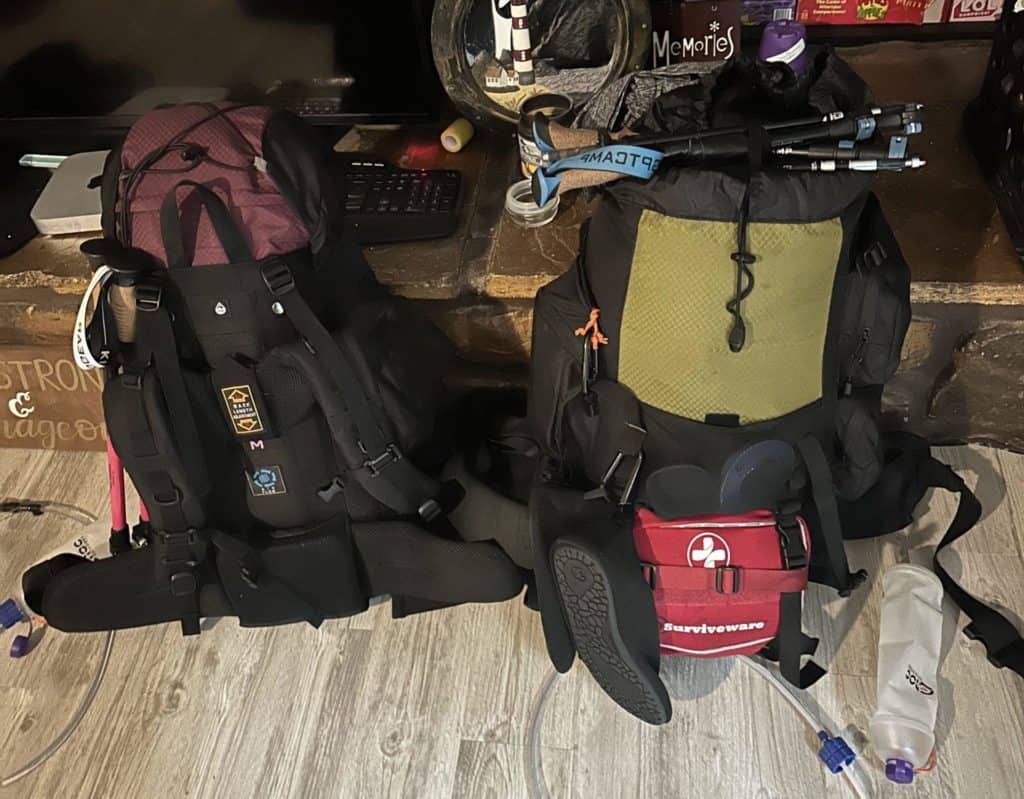
Backpacking is a multi-day experience of simplicity, endurance, and attentiveness. What you carry shapes not only your comfort, but your ability to stay present on the trail.
The goal is not to bring everything that might be useful, but to carry what is necessary to live simply and safely for the duration of your journey.
EVERY TRIP (CORE SYSTEMS)
These are required for all backpacking experiences.
Backpack (proper fit, load-bearing system)
A pack designed for multi-day carry is essential.
Sleep system
- Sleeping bag (season-appropriate)
- Sleeping pad
Shelter (choose one)
- 1-person tent
- 2-person tent
- Hammock system (with appropriate insulation and weather protection)
Food for entire trip
All meals must be carried unless otherwise specified. No resupply unless planned for the route.
Cooking system
- Stove
- Fuel
- Lightweight pot and utensils
Water filtration or purification system
Required for all trips.
Headlamp or light source
Essential for early mornings, evenings, and emergencies.
Extra clothing layers
For temperature changes and unexpected conditions.
Rain protection
- Lightweight rain jacket
- Pack cover or internal dry system
Basic Hygene Kit (Minimal)
Keep this simple and lightweight.
Personal sanitation kit (Leave No Trace essentials)
Includes basic items needed for personal hygiene on multi-day trips, such as a small trowel, biodegradable wipes, and hand sanitizer.
Trash / pack-out system (Leave No Trace required)
Everything carried in must be carried out.
The goal is not to overpack, but to be prepared to care for yourself responsibly on the trail while following Leave No Trace practices.
SAFETY & EMERGENCY
These items support safety, but are intentionally kept minimal.
First aid kit (guide carried)
A full first aid kit is carried by the guide on every Eremos experience. Personal kits are not required.
Emergency whistle
Simple emergency signaling device.
Map (if applicable to route)
Provided or carried depending on trip.
Phones are not part of Eremos backpacking experiences and are generally left behind or turned off for the duration of the trip. The goal is full presence and reduced distraction.
BASED ON LENGTH OF TRIP (DAYS, NOT NIGHTS)
All adjustments are based on total days on trail.
2–3 Day Backpacking Trips
Focus: light load, simplicity, efficiency
- Minimal, high-efficiency food plan (no-cook or simple cook meals)
- One primary clothing set + sleep layer
- Conservative fuel usage
- Basic rhythm of hiking, rest, and evening reflection
4–5 Day Backpacking Trips
Focus: endurance and balance
- Expanded food variety (morale becomes more important)
- Additional clothing rotation layer
- Increased attention to foot care and blister prevention
- More deliberate fuel and cooking planning
- Greater emphasis on pacing and recovery
6+ Day Backpacking Trips
Focus: sustainability and rhythm
- Food variety becomes essential for mental and physical endurance
- Clothing rotation becomes necessary
- Strong focus on fatigue management
- Careful planning around water, fuel, and recovery
- Emphasis on simplicity becoming a way of life, not just a strategy
RECOMMENDED ADDITIONS
Not required, but often valuable:
- Blister prevention kit (strongly recommended)
- Trekking poles (highly useful for multi-day terrain)
- Repair kit (duct tape, needle/thread, etc.)
- Lightweight camp chair (comfort-based optional item)
- Journal (especially valuable on multi-day trips)
- Electrolytes
A SIMPLE NOTE
Backpacking is not about carrying everything that might be useful.
It is about carrying what allows you to live simply, safely, and attentively for the length of your journey.
Every item has weight: physically, mentally, and spiritually.
Choose accordingly.
SAFETY NOTE
A full first aid kit is carried by the guide on every Eremos hike.
No personal medical kit is required, though you are always welcome to bring any personal items you feel you may need.
Safety and care are always present, even when not visible.
Where to go next…
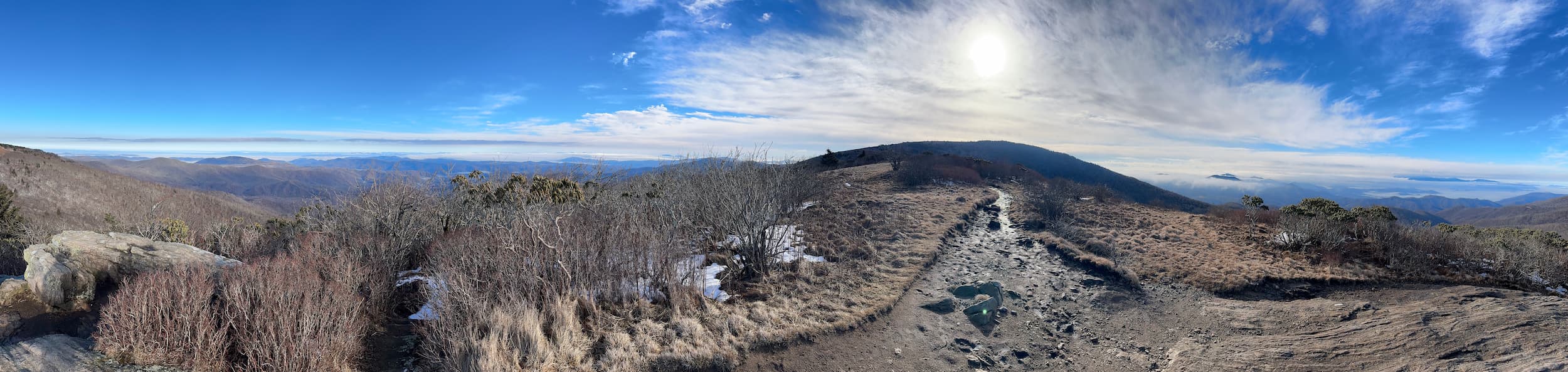
Experience the Wilderness
Not sure where to start?
You don’t need to decide everything before beginning.
Each experience offers a different rhythm of time, distance, and attention… but all of them begin in the same place: slowing down and becoming present.
If you’re unsure, start with what feels most accessible.
- Half-Day Hikes are the simplest entry point.
- Full-Day Hikes offer more space for reflection.
- Backpacking journeys are for those ready to step into longer simplicity on the trail.
Or begin with the Solitude Guide if you want to start by practicing attention where you are.
Still not sure? Let Eremos help.