Why did Jesus enter solitude?
We often talk about the wilderness as a place where we go to get away. Away from the noise. Away from the demands of everyday life. Away from the people and responsibilities that constantly pull our attention in different directions.
There is certainly a place for that. But when I look at the life of Jesus, I see something bigger.
Jesus entered the wilderness. Not once. Not only when He was tested. He returned to places apart from the crowds again and again. He prayed there. He taught there. He rested there. Sometimes He went alone. Sometimes people followed Him there.
The wilderness was not simply somewhere Jesus went to escape. It was part of the rhythm of His life and ministry.
Erēmos
The Greek word used in several of these passages is erēmos. Depending on the context, it can be translated as wilderness, desert, solitary place, deserted place, or lonely place. The word doesn’t always describe one particular kind of landscape. It describes a place apart. A place removed from the ordinary rhythms and centers of life.
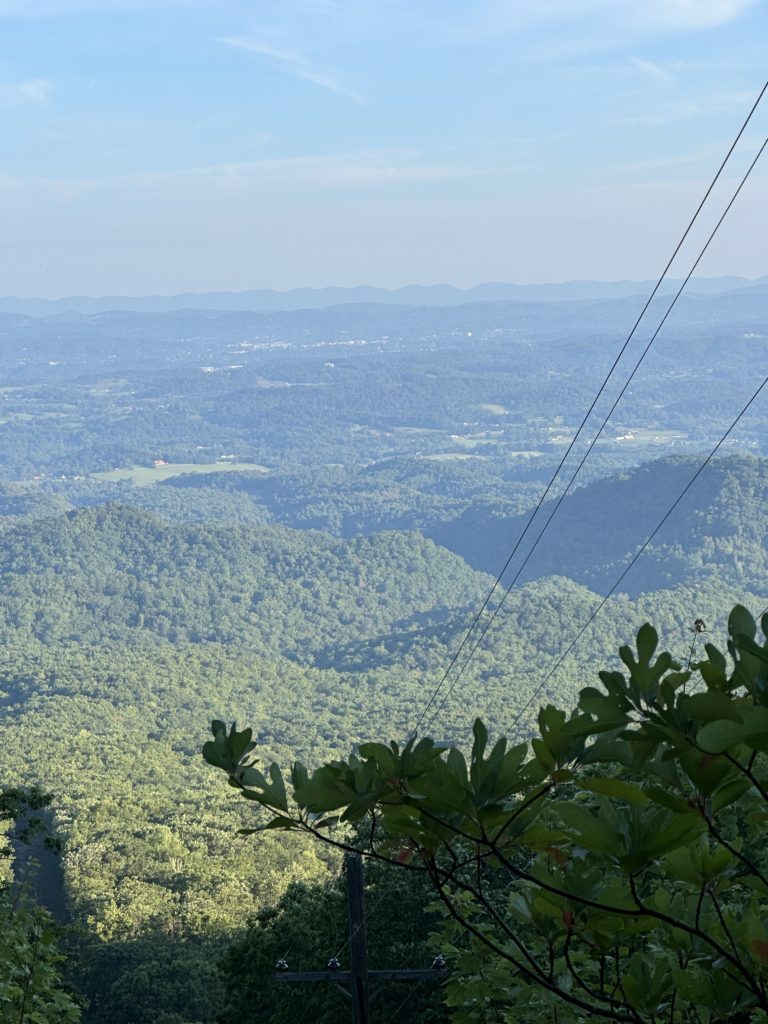
That distinction matters. Because when we hear “wilderness,” we may picture a mountain trail. Jesus certainly walked mountains and wilderness places, but the biblical idea is bigger than geography. The erēmos was a place apart. And Jesus went there.
Jesus in the Erēmos
One of the clearest examples comes early in Mark’s Gospel. Jesus had been healing people and teaching. The news about Him was spreading. The demands on His time were increasing.
And then Mark tells us:
“Very early in the morning, while it was still dark, Jesus got up, left the house and went off to a solitary place, where he prayed.” – Mark 1:35
Jesus had work to do. People needed Him. There were crowds looking for Him. And He went away.
Not because the work wasn’t important. Not because the people weren’t important. Because prayer was important.
Luke makes this rhythm even clearer:
“But Jesus often withdrew to lonely places and prayed.” – Luke 5:16
Often.
That little word changes the picture. Jesus wasn’t simply responding to an unusually difficult season. Withdrawal was part of His life.
He made room to step away. He entered the erēmos. And then He returned.
That rhythm matters because solitude can easily become something it was never meant to be. We can begin to think the goal is simply to get away. To escape the noise. To find a place where nobody needs anything from us.
But Jesus didn’t withdraw so that He could remain withdrawn. He withdrew and returned. He went apart and then went back to the people. The wilderness was not an escape from His calling. It was part of how He lived it.
Following Jesus Into the Erēmos
And sometimes the erēmos wasn’t even quiet for very long. People followed Him.
In Luke 5, Jesus withdraws to lonely places while crowds continue to gather. In Matthew 14, Jesus withdraws to a solitary place, but the crowds hear where He has gone and follow Him. When Jesus sees them, He has compassion on them and ministers to them.
The wilderness did not become a place where people were excluded. It became a place where people encountered Jesus. That is important because we can easily confuse solitude with isolation.
They are not the same. Jesus practiced withdrawal without abandoning people. He stepped away without walking away. He created space to listen to the Father, and then He returned to those He had been sent to serve.
Set Apart
There are also moments when Jesus intentionally taught away from the religious centers.
Matthew tells us that Jesus went up on a mountain, sat down, and began to teach His disciples and the crowds gathered around Him.
What we now call the Sermon on the Mount didn’t happen inside the temple. Jesus wasn’t standing in the center of the religious establishment. He was on a mountain. People came to Him there.
The setting matters because Jesus repeatedly moved outside the places where people expected spiritual life to happen. He taught beside the sea. He taught on mountains. He taught in villages. He taught wherever people gathered.
The presence of God was not confined to the places people had designated as religious. And perhaps that is another reason the wilderness matters.
The erēmos removes some of the things we normally depend on. There is less structure. Less familiarity. Less noise. Sometimes less certainty.
We have to pay attention. We have to listen. We have to notice. And perhaps most importantly, we have to recognize that God does not need our carefully constructed environments in order to meet us.
Jesus knew that. He entered the erēmos. He prayed there. He taught there. He encountered people there. And then He left it. That last part may be the most important.
The Erēmos Is Not The Destination
Jesus did not make the wilderness His permanent home. He didn’t teach His disciples to withdraw from the world and never return. He modeled something different.
Go apart.
Be with the Father.
Pay attention.
Receive what you need.
Then return.
The wilderness was part of the rhythm. Not the destination. I think that’s something we can easily forget.
We can become so focused on finding the perfect place for solitude that we forget why we went there in the first place.
We can spend so much time trying to create the right conditions that we miss the invitation to simply pay attention.
Jesus didn’t need perfect conditions. He needed space to pray. Sometimes that space was a mountain. Sometimes a deserted place. Sometimes the early morning. Sometimes the erēmos.
And sometimes the crowds found Him there anyway. The point was never the landscape. The point was the posture.
Jesus repeatedly made room to withdraw from the noise and turn His attention toward the Father. Then He returned to the noise.
Return From the Erēmos
That may be one of the most important things the wilderness teaches us. We don’t enter the wilderness because the world doesn’t matter. We enter because the world does matter. We need space to remember who we are, whose we are, and where we are being led. Then we return.
Jesus entered the wilderness.
He prayed.
He taught.
He listened.
He encountered people.
He withdrew again.
And He returned again.
The rhythm continued.
Maybe that’s why the wilderness has always mattered to God’s people. Not because God lives farther from the crowds. But because sometimes we need to step away from the crowds long enough to remember how to listen.
Jesus entered the erēmos. And He showed us that stepping away and returning are not opposing movements. They belong together.
Or to say it another way:
Step Away. Slow Down. Listen.
And then we return with what we have been given. Whether that is a direction or simply silence.
Where does the trail go from here?
Not ready to join us on a hike yet?
What to read next…
The Difference Between Silence and Solitude | The Gift of Paying Attention | Solitude is Not Isolation | Learning to Hear God Without Noise | What the Wilderness Reveals About Our Inner Lives | How to Begin a Simple Practice of Solitude | Why Eremos Exists | Practicing Presence in a Distracted World